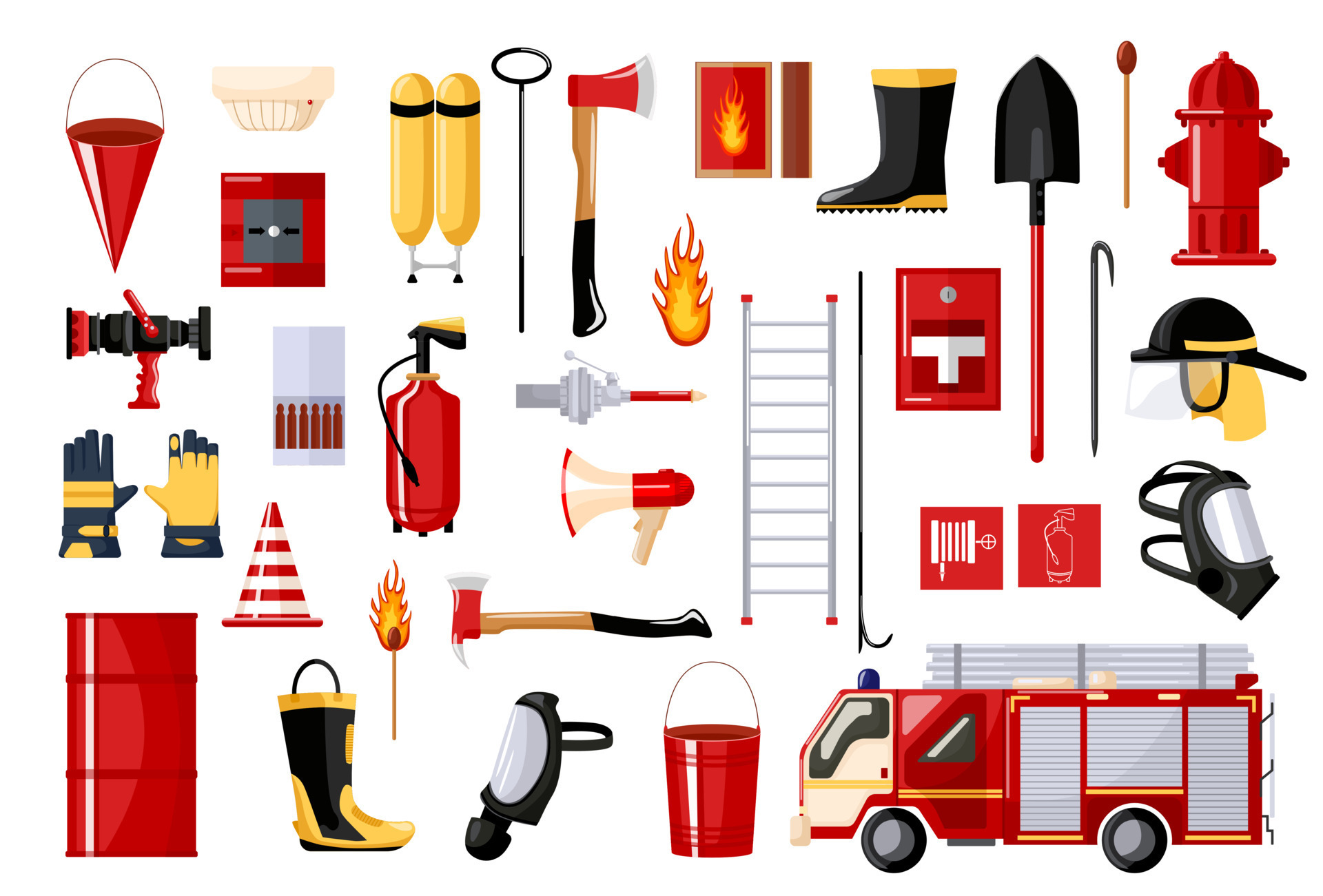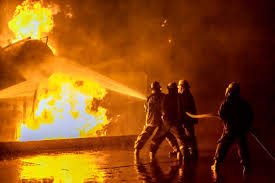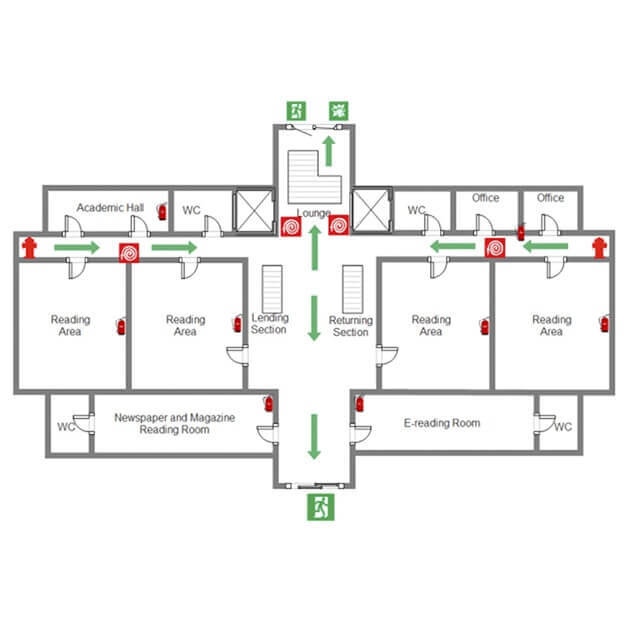
Firefighting is one of the most dangerous professions in the world, and what makes it possible for men and women to run into burning buildings while others run out is the specialized gear that keeps them safe, because every piece of equipment is carefully designed to protect against heat, flames, smoke, and hazardous environments. The foundation of a firefighter’s protective equipment is the turnout gear, often called bunker gear, which includes a coat and pants made of multiple layers of fire-resistant materials such as Kevlar and Nomex; these layers work together to provide thermal protection, resist flames, and shield the body from extreme heat while still allowing enough mobility to climb ladders, crawl through smoke-filled hallways, and carry heavy tools. Beneath the turnout gear, firefighters wear a moisture barrier that prevents water and steam burns, along with an inner thermal layer that insulates against temperatures that can exceed several hundred degrees. The boots, usually made of heat-resistant rubber or leather with steel toes and puncture-proof soles, protect against sharp debris, falling objects, and molten materials while maintaining traction on slippery or uneven surfaces. Heavy-duty gloves are equally essential, designed to withstand flames while still providing enough dexterity to operate hoses, axes, and rescue equipment, because hands are among the most vulnerable body parts during a fire. The helmet, with its recognizable brim and sturdy construction, is more than just a symbol of the profession; it shields the head from falling debris, provides impact protection, and often includes face shields or goggles to defend against sparks, glass, and smoke. Perhaps the most vital component of firefighter gear is the Self-Contained Breathing Apparatus, or SCBA, which gives firefighters a portable supply of clean air so they can breathe safely in environments filled with toxic gases, thick smoke, and oxygen-deficient conditions; the SCBA includes a high-pressure air cylinder, a regulator, and a face mask that seals tightly to prevent contamination. Modern SCBAs are equipped with electronic monitoring systems that track air supply and alert firefighters when oxygen runs low, giving them precious time to retreat safely. Another critical piece of safety gear is the Personal Alert Safety System, or PASS device, which automatically emits a loud alarm if a firefighter stops moving for more than a short period, signaling to others that the firefighter may be injured or trapped and in need of immediate rescue. Fire-resistant hoods, often made of Nomex, cover exposed areas of the neck, ears, and parts of the face not protected by the mask, ensuring that no skin is left vulnerable to burns. Reflective strips sewn into turnout coats and pants improve visibility in dark, smoky environments, allowing team members to locate each other and ensuring drivers can see firefighters when they work near roadways. Radios and communication equipment built into helmets or gear are vital too, keeping firefighters in contact with their team and command units so they can coordinate rescues, navigate hazards, and receive evacuation orders quickly. Beyond the core gear, firefighters carry specialized tools—such as axes, Halligan bars, and thermal imaging cameras—that help them break down doors, ventilate buildings, and locate victims or hidden hot spots through walls, and all of these tools are designed to be rugged, heat-resistant, and easy to handle while wearing thick gloves. Firefighter gear also evolves constantly with advances in technology, with lighter yet stronger fabrics reducing fatigue, integrated cooling systems helping to manage heat stress, and improved helmet designs offering better ergonomics and communication options. In wildland firefighting, gear is slightly different, focusing on lightweight flame-resistant clothing, helmets with wide brims for sun protection, and portable shelters that can provide emergency refuge if a fire overruns the area, highlighting how firefighter gear adapts to different fire environments. Every item worn or carried by a firefighter undergoes strict testing to meet safety standards, ensuring it can perform under extreme conditions where failure is not an option. Despite all this equipment, firefighting remains a high-risk job, but the gear dramatically increases survival chances and allows firefighters to focus on saving lives instead of worrying about their own safety. Training is just as important as the gear itself, because firefighters must know how to use every item properly, how to maintain it, and how to trust it in high-pressure situations where seconds matter. Families and communities often see the gear as a symbol of bravery, but for the firefighters themselves, it is their lifeline—the barrier between them and the intense dangers they face daily. From the sturdy helmet to the reinforced boots, from the SCBA to the reflective strips, each piece of gear has one purpose: to keep firefighters alive and able to do their job. Without this gear, entering a burning structure would be suicide, but with it, firefighters can push through smoke and heat to rescue victims, control flames, and protect property. In essence, firefighter gear is a carefully engineered system of protection that combines science, innovation, and practical design, and while no equipment can eliminate all risk, it gives firefighters the best possible chance of going home safely after every call.