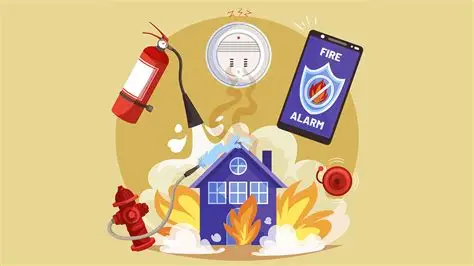
Fire safety is one of the most important responsibilities for every homeowner because a small spark can turn into a life-threatening fire in just a few minutes, and protecting your family begins with awareness and preparation. Every home should be equipped with smoke alarms in every bedroom, hallway, and common area because these devices are often the first line of defense, and they should be tested monthly and replaced every ten years to ensure reliability. Families should not only have smoke alarms but also a well-planned escape strategy that includes two exits from each room, a designated outdoor meeting spot, and regular practice drills so that children and adults alike know exactly what to do during an emergency. Fire extinguishers should be placed in key areas such as the kitchen, garage, and near bedrooms, and every member of the household should learn the PASS method—pull the pin, aim at the base, squeeze the handle, and sweep side to side—because seconds count in containing small fires before they spread. In the kitchen, the most common source of household fires, never leave food cooking unattended, keep flammable items away from stovetops, and remember that water should never be poured on a grease fire; instead, cover the pan with a lid or use a Class K extinguisher. Electrical safety is another critical factor: avoid overloading outlets, replace damaged cords immediately, and hire a licensed electrician if outlets spark, lights flicker, or breakers trip frequently, because these are signs of hidden dangers. Heating systems and fireplaces require maintenance too, as chimneys should be cleaned annually to prevent creosote buildup, and space heaters must be kept at least three feet away from furniture, curtains, or bedding to prevent ignition. Candles may seem harmless, but they are responsible for thousands of house fires each year, so never leave them unattended, keep them away from curtains and decorations, and consider switching to battery-powered flameless candles for added peace of mind. Flammable materials like gasoline, paints, and cleaning products should always be stored in well-ventilated areas away from the home, and lighters and matches must be kept out of children’s reach to reduce the risk of accidental ignition. Teaching kids about fire safety is essential: they should know how to dial 911, understand that lighters are not toys, and be taught how to stop, drop, and roll if their clothing ever catches fire. Escape routes must always remain clear of clutter, doors and windows should open easily, and security bars must have quick-release mechanisms to avoid trapping anyone inside during an emergency. Long-term prevention includes investing in fire-resistant building materials such as roofing, siding, and insulation, as well as flame-retardant curtains and upholstery that can slow the spread of flames. Families living in wildfire-prone regions should create defensible space by clearing dry leaves, trimming trees, and maintaining at least thirty feet of cleared land around the property. Important documents such as birth certificates, property deeds, and medical records should be stored in fireproof safes, and digital copies should be backed up securely online. During the holidays, extra caution is needed because dry Christmas trees and decorative lights can ignite quickly; always water trees daily, turn off lights before leaving the house or going to bed, and avoid overloading electrical circuits with too many decorations. Practicing fire drills at different times of the day ensures that every family member, including children and elderly relatives, knows what to do even if a fire occurs at night. Pets should be included in escape plans too, with leashes or carriers kept near exits so they can be rescued quickly without slowing down evacuation. Fire doors should remain closed whenever possible because they slow the spread of flames and smoke, buying valuable time to escape safely. In case of fire, remember that smoke is more dangerous than flames, so stay low to the ground while escaping and cover your nose and mouth with a cloth if smoke fills the room. If trapped, close doors, seal cracks with wet towels, and signal for help from a window instead of trying to run through flames. Once outside, never re-enter a burning home for belongings; firefighters are trained to handle rescue operations safely. Regularly checking expiration dates on fire extinguishers and ensuring everyone knows their location is vital for readiness. Families should also take advantage of local fire department resources, such as free home safety inspections, school safety programs, and community fire drills that provide real-life practice. By incorporating these habits into everyday routines—testing alarms, maintaining equipment, storing flammables safely, and practicing escape drills—families can significantly reduce their risk. Fire safety is not a one-time task but an ongoing commitment that requires vigilance, planning, and education. The truth is, preventing a fire is far easier and less costly than recovering from one, and with a combination of prevention, preparation, and quick response, every household can build a safer environment. Whether you live in a city apartment, a suburban home, or a rural property, fire safety principles apply equally, and they should be taken seriously before disaster strikes.