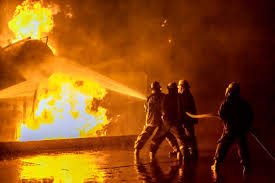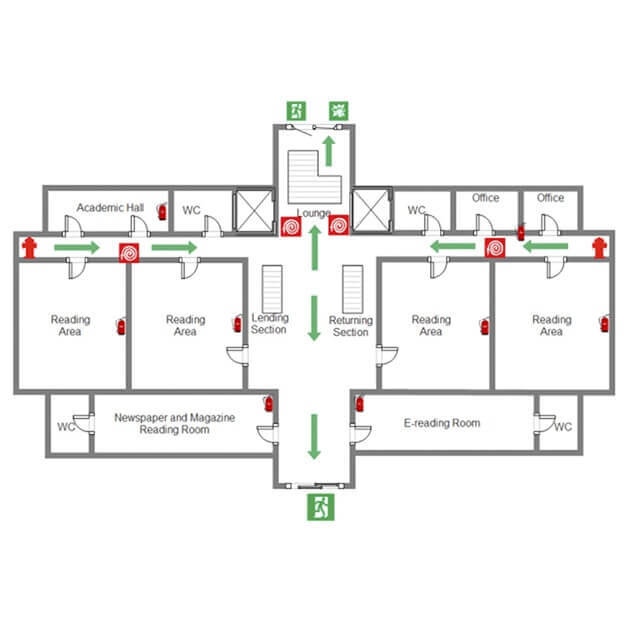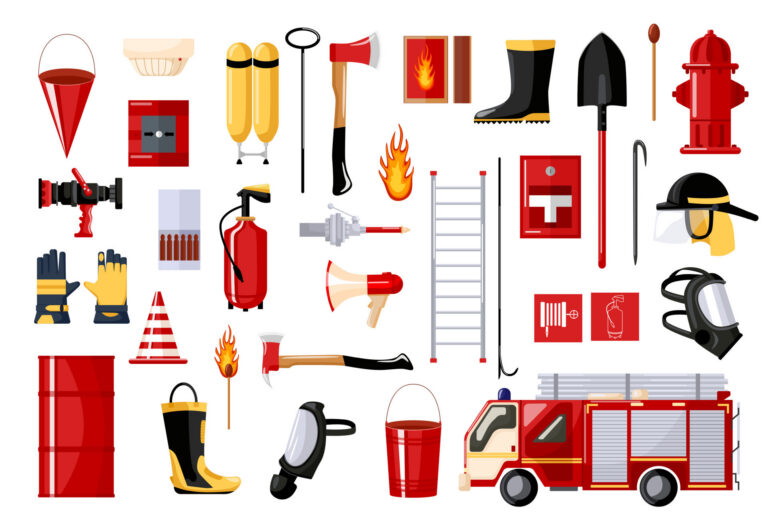
The world of firefighting has changed dramatically over the years, and today the latest firefighting technologies and innovations are helping firefighters respond faster, safer, and more effectively to emergencies, giving them new tools to save lives, protect property, and reduce risks in one of the most dangerous professions. Modern firefighting is no longer limited to hoses, ladders, and protective gear, because advances in engineering, digital technology, and science are transforming the way fires are detected, controlled, and extinguished. One of the most important innovations is the use of thermal imaging cameras, which allow firefighters to see through smoke and darkness to locate victims, find hotspots, and identify structural weaknesses, turning what used to be guesswork into precise, informed decision-making. Drones have become another powerful ally, providing aerial views of large fires, such as wildfires or industrial incidents, giving commanders real-time data to plan strategies, monitor fire spread, and deploy crews more efficiently without putting human lives at unnecessary risk. Robotics is also stepping into the firefighting world, with specialized robots designed to enter hazardous areas too dangerous for humans, such as chemical plants, tunnels, or burning warehouses, where they can spray water, carry sensors, or even rescue victims. Fire suppression systems themselves have evolved, moving beyond traditional sprinklers to include smart sprinklers that activate only where heat is detected, mist systems that use fine water particles to suffocate flames quickly while minimizing water damage, and even clean-agent suppression systems that use gases like FM-200 to extinguish fires in sensitive areas such as data centers without harming electronics. Wearable technology has also revolutionized firefighter safety, with smart helmets that include integrated communication systems, heads-up displays, and thermal sensors, while biometric monitors track heart rate, oxygen levels, and temperature to prevent overexertion or heatstroke, alerting command centers if a firefighter’s health is at risk. The development of lighter, stronger materials for turnout gear has made protective clothing more comfortable while still resistant to extreme heat, flames, and hazardous chemicals, reducing fatigue during long operations. Self-Contained Breathing Apparatus (SCBA) has also been upgraded with longer-lasting air supplies, lighter tanks, and built-in electronic tracking systems that provide real-time air monitoring and alarms if levels run dangerously low. In addition, Personal Alert Safety Systems (PASS) have been enhanced with smart sensors and connectivity, automatically sending distress signals if a firefighter becomes motionless or trapped, and transmitting location data so rescuers can find them quickly. Artificial Intelligence and data analytics are being applied in fire prediction and resource management, helping cities analyze patterns of past incidents, weather conditions, and infrastructure risks to anticipate where fires are more likely to occur and prepare resources accordingly. In wildfire management, satellite technology and AI-driven fire mapping tools provide early detection of hotspots, track fire progression, and give authorities time to issue warnings or evacuations before the situation becomes catastrophic. Electric fire trucks are beginning to replace traditional diesel engines in some cities, reducing emissions, lowering noise, and offering faster acceleration, while still providing the power needed to operate pumps and ladders efficiently. Some innovations focus on water conservation, using compressed-air foam systems (CAFS) that mix air, water, and foam concentrate to create a blanket that smothers flames faster than water alone, reducing the amount of water required and limiting property damage. Firefighter training has also been transformed by virtual reality (VR) and augmented reality (AR), allowing trainees to practice responding to complex fire scenarios in safe, controlled environments that replicate the heat, smoke, and chaos of real fires without the risks, building confidence and decision-making skills before facing live situations. Smart city infrastructure is also being developed to aid firefighting, with buildings equipped with sensors that detect smoke, heat, and air quality, automatically sending alerts to fire departments and guiding evacuation procedures through digital signage or mobile notifications. Innovations extend to communication as well, with advanced radio systems and mesh networks ensuring that firefighters remain connected even in environments where signals are weak, such as basements or high-rise structures. Some cutting-edge projects even explore the use of drones capable of carrying fire hoses up the sides of skyscrapers, addressing the unique challenges of urban firefighting where access is limited. Other research focuses on environmentally friendly fire retardants and suppression agents that are effective against flames while minimizing harm to ecosystems and human health. As climate change intensifies the frequency and severity of wildfires, technology is becoming even more critical, with fire-resistant drones, autonomous bulldozers that create firebreaks, and predictive models that simulate fire behavior under different wind and fuel conditions. Every innovation in firefighting technology serves the same purpose: to make the job safer for firefighters and more effective for the communities they protect, combining tradition with innovation to meet the challenges of the modern world. While courage, teamwork, and human dedication will always be at the heart of firefighting, the latest tools, from drones to AI, from smart gear to advanced suppression systems, ensure that firefighters are better equipped than ever before to face the growing threats of fire in the 21st century.