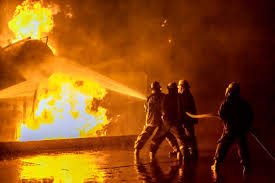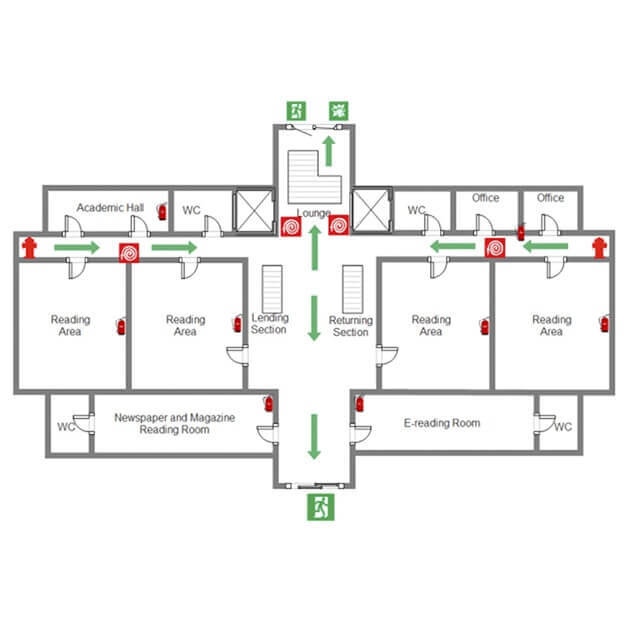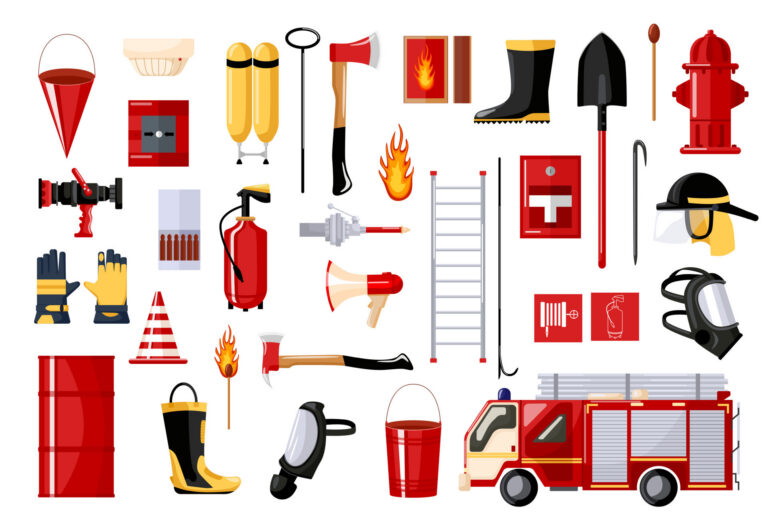
A day in the life of a firefighter is anything but ordinary, because while most people begin their mornings with predictable routines, firefighters start their shifts knowing that at any moment they may be called into a situation where lives hang in the balance, and that unpredictability is what makes their job both challenging and rewarding. A firefighter’s day usually begins at the fire station, where they arrive in uniform, check in with their team, and immediately inspect their gear and equipment, because preparedness is non-negotiable when seconds count; helmets, gloves, boots, turnout gear, air tanks, and radios are checked carefully, while fire engines are inspected for fuel, hoses are tested for pressure, and medical kits are restocked to ensure nothing is missing. After roll call and assignments, the crew may gather for a quick briefing to review local incidents, weather conditions that could affect fires, and any special tasks for the shift. Once everything is ready, downtime may include cleaning the station, performing training drills, or conducting fitness routines, because firefighting demands physical strength, endurance, and agility. But the calm never lasts long—when the alarm sounds, the station comes alive with urgency, and firefighters rush to the engine bay, suiting up within seconds, sliding into trucks, and heading out with sirens wailing. On the way to a call, whether it’s a house fire, a vehicle crash, or a medical emergency, the crew reviews what information dispatch has given them, mentally preparing for whatever they might face. Arriving at a fire scene, chaos may be everywhere—smoke billowing, flames spreading, families shouting for help—and it is in these moments that training takes over; some firefighters grab hoses to attack the blaze, others search for trapped victims, while others secure the perimeter to prevent the fire from spreading. Inside a burning building, conditions are dark, hot, and disorienting, and firefighters rely on their gear, teamwork, and discipline to move through smoke-filled rooms, calling out to victims and feeling walls for guidance. If someone is found, they must be carried out quickly and safely, often while oxygen tanks grow heavy and visibility is near zero. Meanwhile, firefighters outside operate ladders, ventilate roofs, and manage water pressure to support those inside. Once the flames are under control, attention shifts to overhaul—checking for hidden hot spots that could reignite—and salvage, where firefighters try to save as much of a family’s home or belongings as possible. After the scene is safe, the crew returns to the station, exhausted but focused on cleaning and reloading equipment, because everything must be read