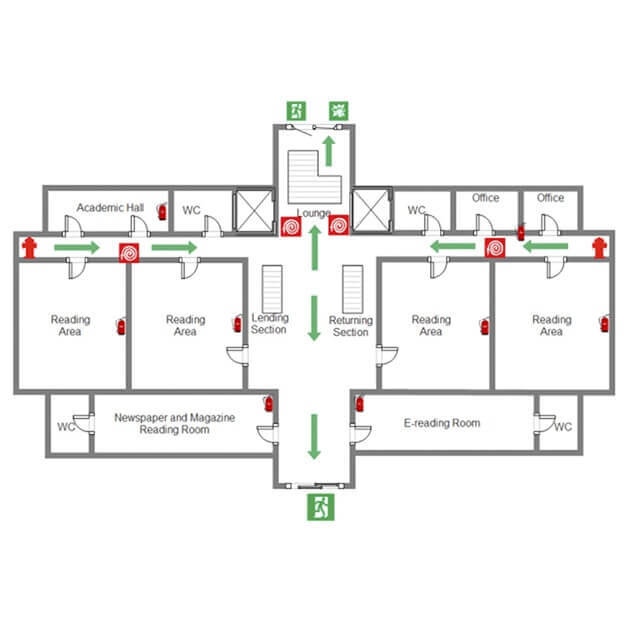
Creating a fire escape plan for families is one of the most important steps in home safety, because when fire strikes, every second counts, and knowing exactly what to do can be the difference between life and death. Many families believe they will “figure it out” in the moment, but the truth is that panic and confusion can set in quickly, and without a plan, valuable time is lost. The first step in creating a fire escape plan is to draw a simple floor plan of your home, marking every room, door, and window, because visibility of escape routes helps everyone in the household understand their options. Every room should have at least two ways out—usually a door and a window—so that if fire blocks one exit, another path remains. Families living in multi-story homes should consider escape ladders for upstairs bedrooms, ensuring that older children and adults know how to use them safely. Once escape routes are identified, choose a safe meeting point outside the home, such as a mailbox, a big tree, or a neighbor’s driveway, located far enough away to stay safe from flames but close enough for everyone to gather quickly. This meeting spot is critical because it allows firefighters to know immediately if someone is missing. Assign responsibilities when creating the plan; for example, parents may assist younger children, while older kids may help lead pets out of the house, but remind everyone that safety comes first and belongings should never delay escape. Practicing the escape plan is just as important as writing it down, because practice turns instructions into instincts. Conduct family fire drills at least twice a year, and vary the times—sometimes during the day and sometimes at night—so that family members are prepared no matter when a fire occurs. During drills, teach everyone to crawl low under smoke, since toxic smoke rises and cleaner air remains closer to the ground, and show them how to cover their mouth and nose with a cloth if possible. Stress the importance of closing doors behind you while escaping, since closed doors slow the spread of fire and smoke. Ensure that windows open easily and that security bars, if installed, have quick-release mechanisms to prevent entrapment. As part of the plan, instruct children never to hide under beds or in closets when afraid, because hiding makes rescue difficult and wastes critical time. Teach the “stop, drop, and roll” method in case clothing catches fire, and practice it together so kids remember it under stress. For families with infants, elderly members, or people with mobility issues, plan ahead for who will assist them during evacuation, and make sure backups are assigned in case one helper is unavailable. Pets should not be forgotten—keep leashes and carriers near exits to make it easier to bring them outside safely. Make sure everyone knows how to dial emergency services, such as 911, once outside, and stress that no one should ever re-enter a burning home under any circumstances. Part of the escape plan should also include familiarizing children with the sound of the smoke alarm, so they recognize it as a signal to escape immediately rather than something to fear or ignore. Families should rehearse different fire scenarios, such as a fire starting in the kitchen, one in the living room, or one at night while everyone is asleep, so that the plan adapts to different conditions. If possible, practice in the dark or with eyes closed to simulate low visibility caused by smoke, as this builds confidence in navigating escape routes. It’s wise to review escape plans whenever major changes occur in the household, such as moving furniture, renovating rooms, or welcoming new family members. To make drills engaging for children, turn them into a game where speed and teamwork are rewarded, but always reinforce the seriousness of why these drills matter. Families living in apartments should review building evacuation routes, stairwells, and designated assembly areas, and should never use elevators during a fire, as elevators may fail or open onto dangerous floors. Communication is also key: teach family members to shout “Fire!” as soon as smoke or flames are detected, alerting everyone in the house and giving them extra time to escape. For added safety, store a copy of your fire escape plan in a visible location, such as on the refrigerator or in a family binder, so that visitors and babysitters can also learn it. Technology can play a role too—some families use apps or smart home devices to simulate alarms or track drills—but nothing replaces real-world practice. Remember that creating a fire escape plan is not just about mapping exits, but about building confidence, discipline, and teamwork among family members, ensuring that everyone knows their role and reacts calmly in a crisis. Prevention measures, such as keeping hallways clear and doors unobstructed, make plans more effective, because an escape route is only useful if it’s accessible. The ultimate goal of a fire escape plan is simple but vital: to make sure that every family member, from the youngest child to the oldest grandparent, knows exactly what to do and where to go the instant danger arises. By dedicating just a few hours a year to planning and practice, families can transform fear into readiness, and readiness into safety, because while fires are unpredictable, preparation is entirely within our control.