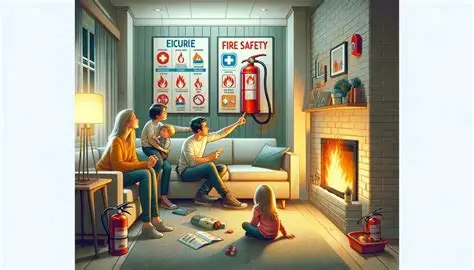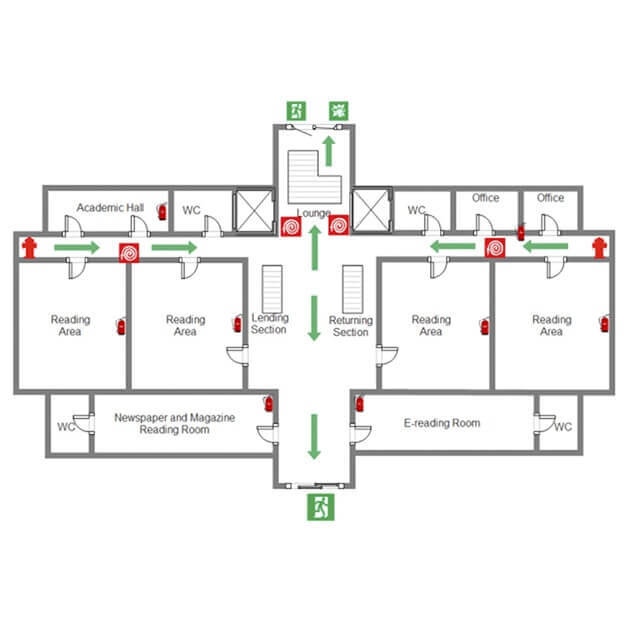
Teaching kids about fire safety at school and at home is one of the most powerful ways to prevent tragedies, because children are naturally curious, quick to panic in emergencies, and often do not understand the dangers of fire unless they are taught clearly and consistently. Education must begin early, as even preschool children can learn the basics such as never touching matches or lighters, recognizing the sound of a smoke alarm, and understanding that fire is not a toy but a tool that must be respected. At home, parents should start by setting a strong example through safe habits, such as always blowing out candles before leaving a room, unplugging appliances after use, and never leaving the stove unattended, because children learn best by observing adults. Families should also take time to explain the purpose of smoke detectors and test them regularly while children watch, so they become familiar with the alarm sound and recognize it as a signal to take action rather than something scary or confusing. Kids need to understand simple yet life-saving rules like “stop, drop, and roll” if their clothes catch fire, and this should be practiced regularly through fun role-playing so it becomes second nature. Creating and practicing a family escape plan is essential, with children learning at least two exits from every room, a safe meeting place outside, and the rule that once they escape, they must never go back inside for toys or pets. Parents should use storytelling, coloring books, or even fire safety games to make these lessons engaging, because when children are entertained, they are more likely to remember the information. Firefighters often visit schools to give demonstrations, and these sessions are incredibly effective because kids see real-life heroes showing them how to stay safe; teachers and parents should reinforce these lessons at home by asking children to explain what they learned. Schools play a critical role by conducting regular fire drills so children learn to exit buildings calmly and quickly, following designated routes and listening to their teachers, which builds discipline and confidence in real emergencies. At home, parents can simulate nighttime fire drills by waking children, encouraging them to crawl low under imaginary smoke, and guiding them to the family’s meeting spot, helping kids practice escaping when visibility might be limited. Young children should be taught never to hide under beds, in closets, or behind furniture if there is a fire, because this makes it harder for rescuers to find them; instead, they should learn to go directly to the exit or signal from a window if escape routes are blocked. Teaching kids to recognize firefighters as friends, not strangers, is equally important, since the heavy gear, masks, and breathing equipment can look scary to a child during a rescue; parents can show pictures or videos of firefighters in full gear so kids understand that they are helpers. Technology can support fire safety education, as there are child-friendly apps, cartoons, and interactive websites that teach fire prevention in fun and memorable ways, but nothing replaces hands-on practice. Children should also learn about fire hazards in their environment, such as why they must keep blankets away from heaters, avoid playing with electrical cords, and stay out of the kitchen while cooking is in progress. Schools can extend fire safety into lessons by teaching older students about the science of fire, the importance of fire-resistant materials, and community responsibilities like preventing wildfires, giving them a sense of ownership and responsibility. Parents and teachers should also teach kids how to call emergency services, such as 911, ensuring they know their address and can calmly explain the situation, because even young children may be the first to notice a fire. It’s also important to talk about the dangers of false alarms and explain why pulling a fire alarm at school without cause is dangerous and irresponsible, reinforcing respect for safety procedures. Fire safety messages should be repeated frequently and adjusted as children grow, with younger kids focusing on simple instructions and older kids learning more complex details, such as using a fire extinguisher with supervision or helping siblings during a drill. Seasonal reminders can also help, like teaching children to be cautious around sparklers and fireworks during holidays, explaining the dangers of dry Christmas trees and overloaded lights during winter, and emphasizing campfire safety during summer. Parents can reinforce learning by involving kids in safety tasks, such as checking that smoke alarm batteries are fresh or helping test the family fire extinguisher, turning safety into a shared responsibility. Teachers can integrate fire safety themes into writing assignments, art projects, and science experiments, making the subject both practical and creative. Most importantly, children should always be encouraged to ask questions and express their fears about fire, because open conversations reduce anxiety and make them feel empowered rather than helpless. By combining consistent lessons at home with structured drills and education at school, children grow up understanding not only how to prevent fires but also how to react calmly and effectively when one occurs. The ultimate goal of teaching kids about fire safety is to build lifelong habits of awareness, preparedness, and responsibility, ensuring that even the youngest family members know how to protect themselves and others.